By OzGrind · 10 January 2026 · 6 min read
Walk into a new fit-out in the Queen Street Mall, or a freshly refurbished centre out at Chermside, and the floor is usually the first thing your eye lands on, even if you don't realise it. Retail lives and dies on first impressions, and the floor sets the tone for everything sitting on top of it. That is a big part of why so many Brisbane retailers, cafe owners and centre managers have moved away from tiles and vinyl and onto polished concrete.
We have polished a lot of it, from single boutiques to whole common-area refurbs, and it is a big part of the commercial flooring we do across Brisbane. Here is an honest run-down of where it earns its keep in retail, and the couple of situations where we would tell you to look at something else.
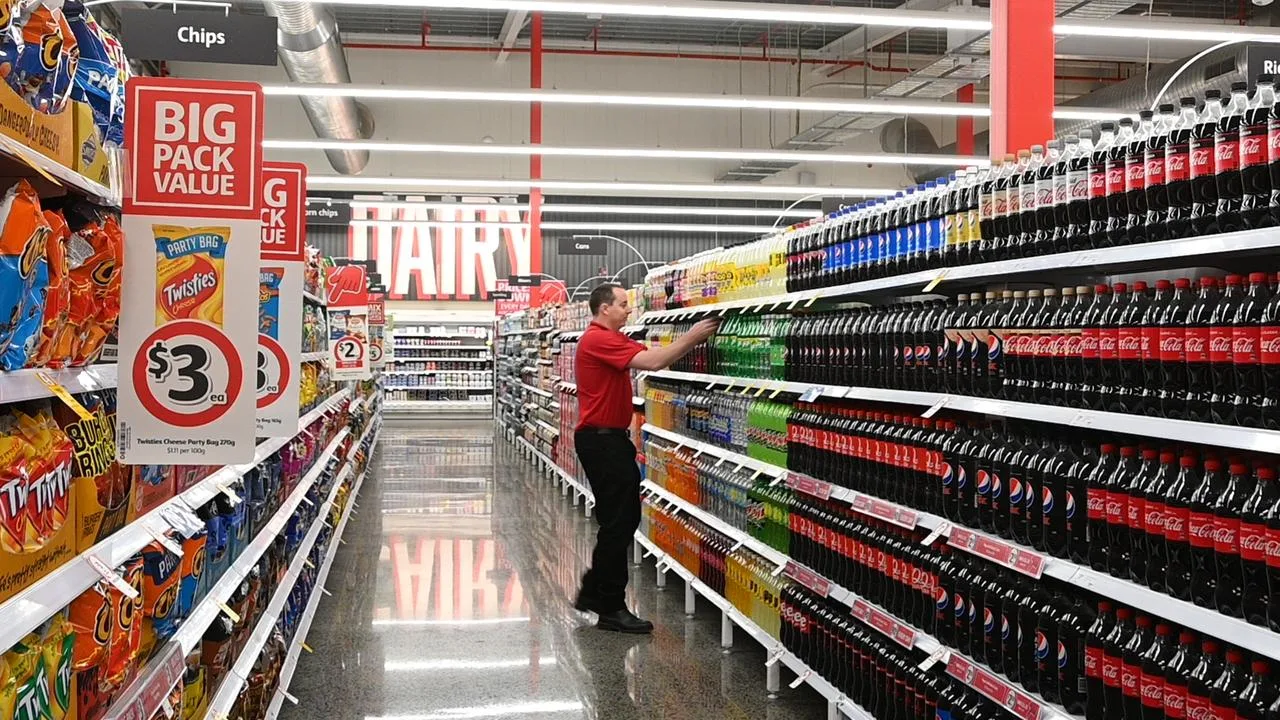
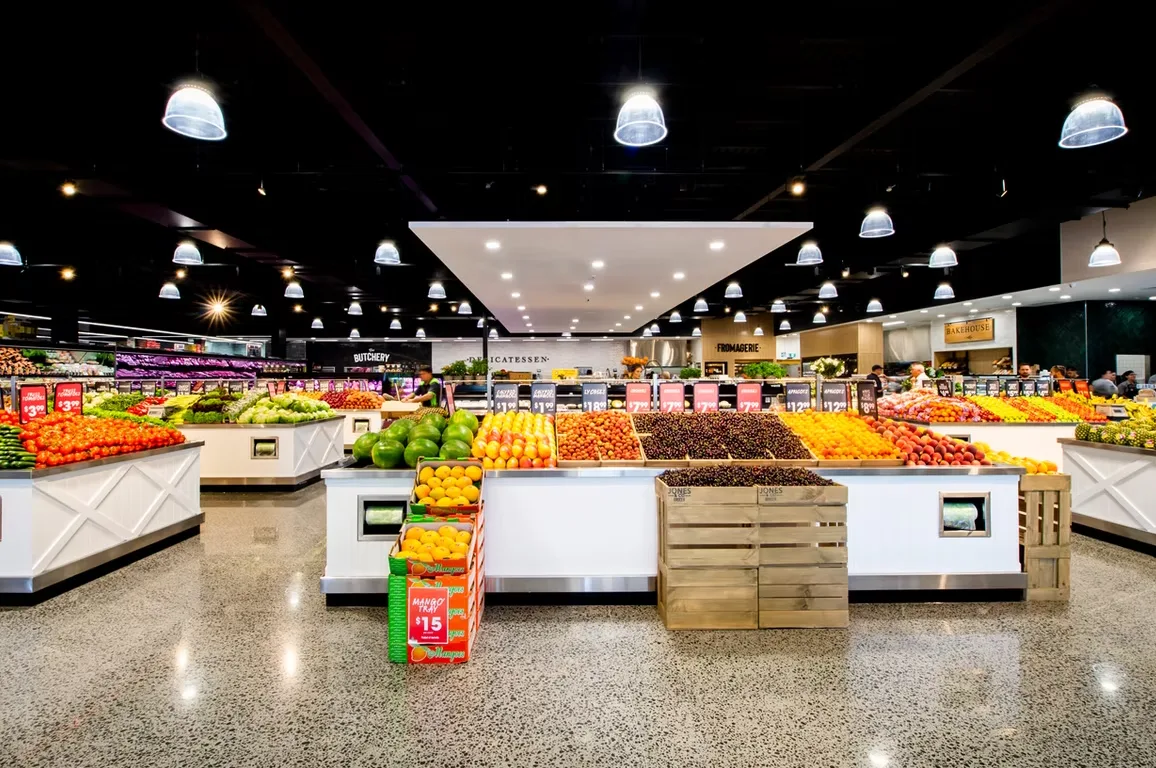
A polished floor reflects light instead of soaking it up, so a shop or centre walkway feels bigger and brighter without you touching the lighting budget. You can take it anywhere from a soft matte through to a mirror gloss, and the amount of stone you expose changes the whole character of the room. A pale cream polish reads clean and premium. A full aggregate exposure looks like terrazzo at a fraction of the price. Either way it is a floor that flatters the stock and the fixtures rather than competing with them.
Retail floors cop a hammering. Thousands of feet, stiletto heels, trolleys, stock cages, scissor lifts during a refit, and a scrubbing machine over the top most nights. Tiles crack and pop, grout lines go grey, vinyl lifts at the seams. Polished concrete does not have any of those weak points because there is nothing sitting on top of the slab to fail. The surface is the slab, hardened right through, so it just keeps going.
This is the one centre managers care about most. Closing a tenancy or a walkway during trade costs real money, so we stage the work around you. Most retail and common-area jobs run overnight or in sections, with the area handed back ready to walk on by opening. If you are taking over an old tiled tenancy, we can often grind the tiles off and polish the slab underneath rather than carting the lot to landfill, which is quicker and cheaper than a full rip-and-replace.
There is no grout to scrub and no coating to strip and reseal. Day to day it is a dust mop and a damp clean, and an occasional buff to keep the sheen up. For a centre running a nightly cleaning contract, that is a genuine line-item saving over the life of the floor.
We are not going to pretend it is right for every square metre. A food-court back-of-house or a wet prep area behind a cafe is usually better off with an epoxy or a grind and seal, because those spaces need heavy chemical and moisture resistance and built-in slip grit. And if a tenant is chasing a warm, soft, quiet fit-out, polished concrete on its own is hard and can echo, so it is worth planning rugs, soft furnishings or acoustic treatment into the design. Tell us the space and how it is used and we will give you the straight answer.
Yes. It is one of the most hard-wearing retail floors going, which is why you see it in high-volume centres and flagship stores. There is no coating or grout to wear out.
Rarely. We stage most retail work overnight or zone by zone and hand the area back ready to trade.
Usually. We grind the old tiles and adhesive off and polish the slab beneath, which saves the cost and mess of removal and disposal.
We can lift the slip rating with the finish and an anti-slip treatment, which matters in entries and anywhere rain gets tracked in.
Tell us about your space and whether your slab is new or existing. We will come back within 48 hours with honest advice and a no-obligation quote.