By OzGrind · 7 June 2026 · 8 min read
If you run or build warehouses and factories around Brisbane, the flooring question almost always comes down to two options: mechanically polished concrete or an epoxy or grind-and-seal coating. Plenty of articles will tell you one beats the other. We finish both every week, so we will give you the straight version instead, because the right answer genuinely depends on what happens on your floor.
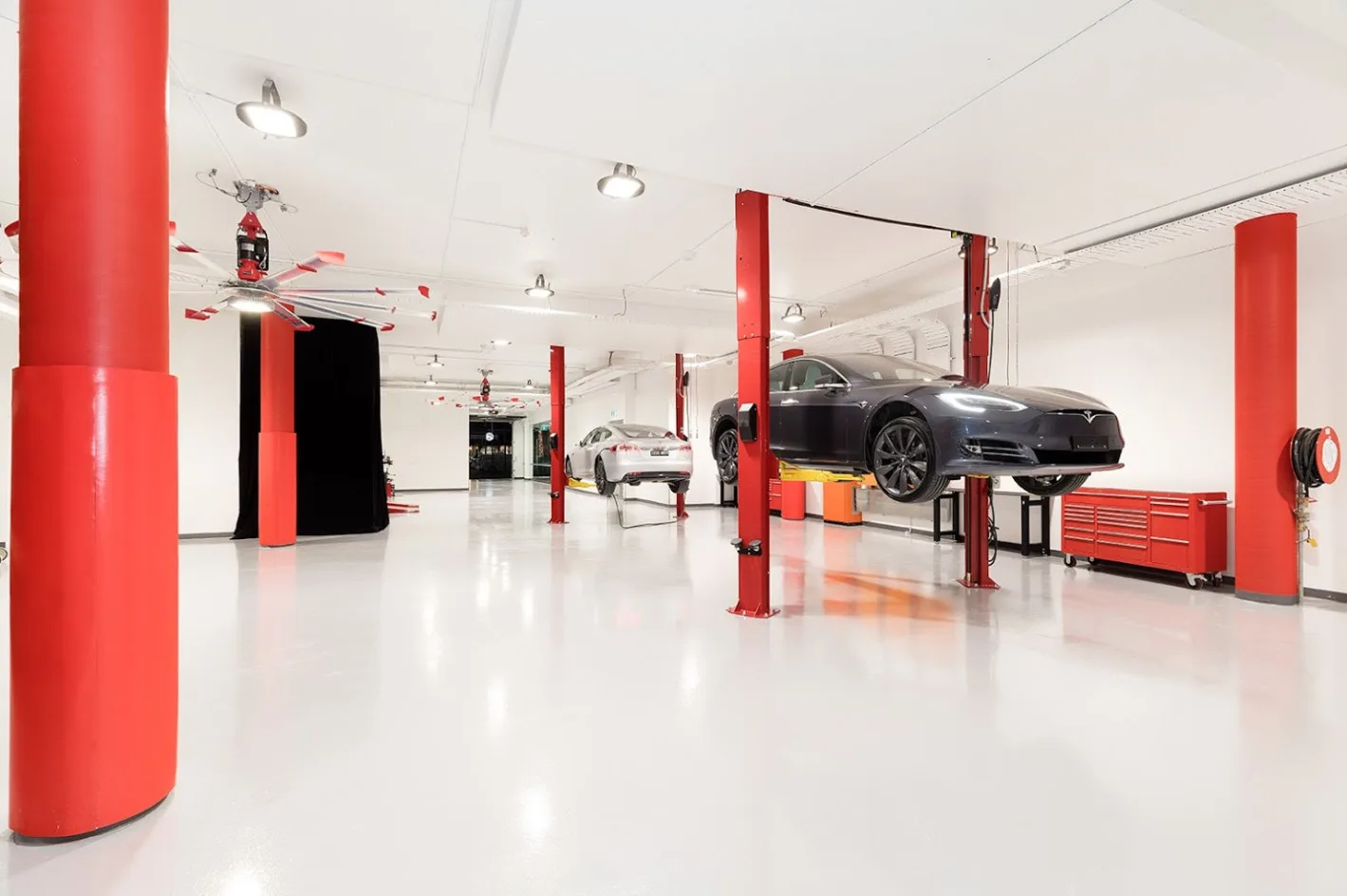
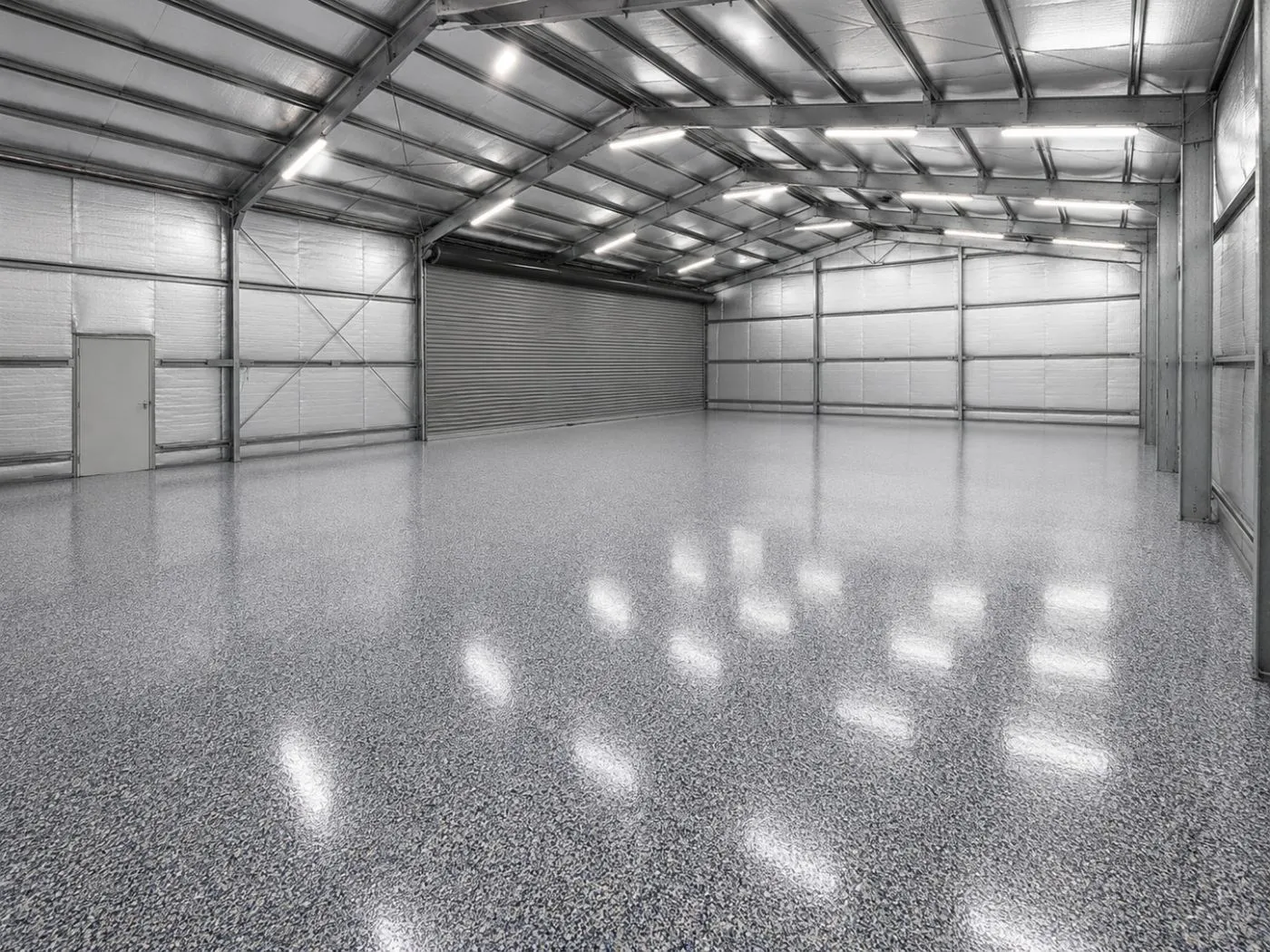
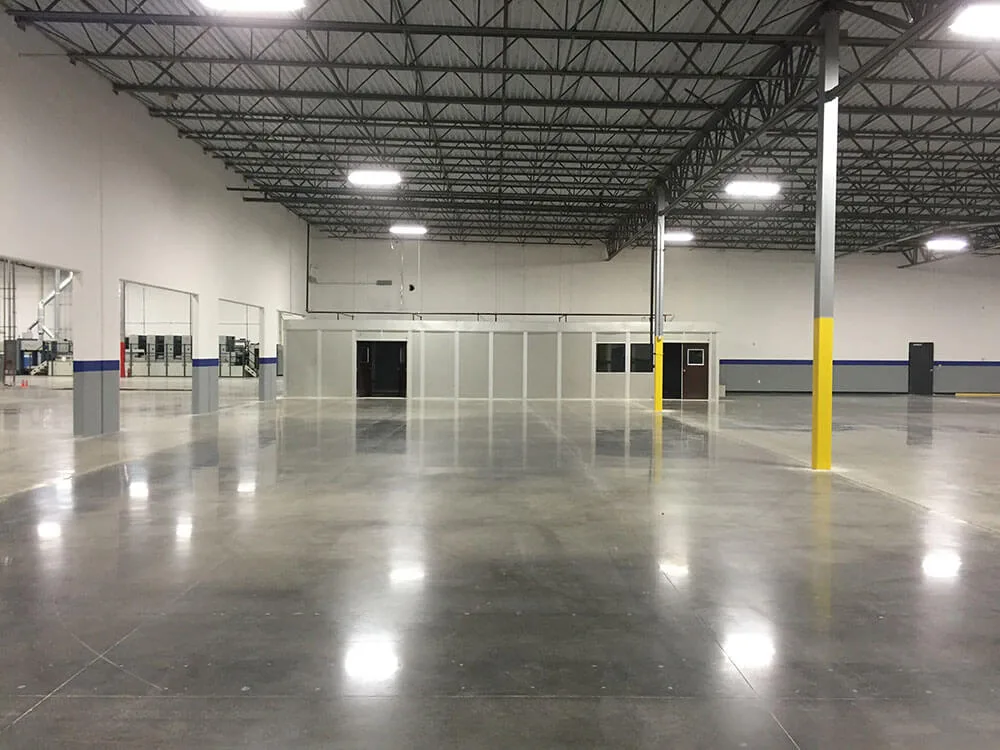
Polished concrete isn't a product you add, it is your existing slab, mechanically ground back and densified until the surface itself becomes hard, dense and light-reflective. There is no coating to peel, chip or delaminate, because there is no coating at all.
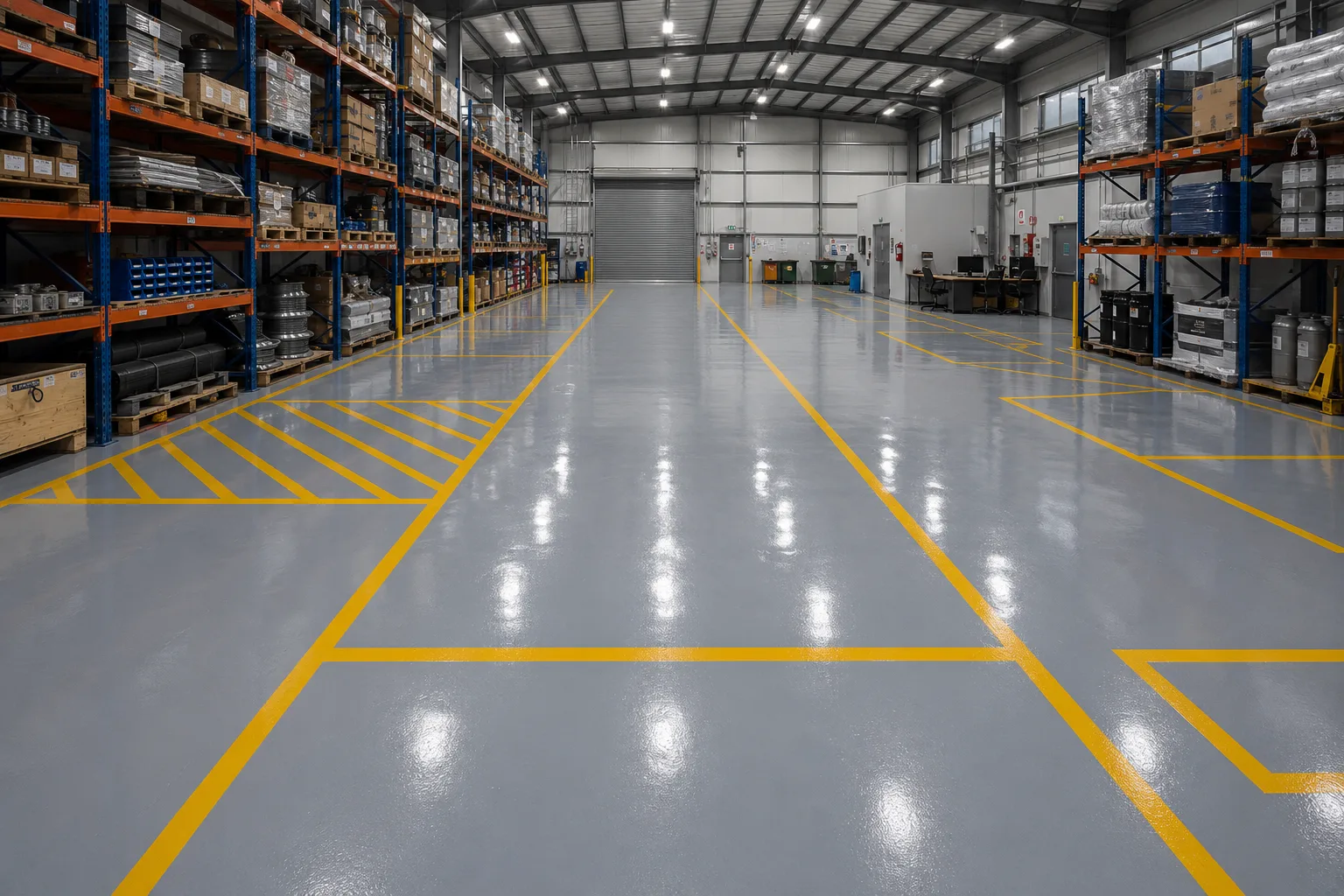
Epoxy, and its lighter cousin grind and seal, is a coating applied over the slab. That coating is where epoxy gets its best strengths, serious chemical resistance, built-in colour and non-slip grit, but it is also a wear layer that eventually needs recoating.
| Factor | Polished concrete | Epoxy / grind & seal |
|---|---|---|
| What it is | The existing slab mechanically ground and densified, no coating on top | A resin coating (epoxy) or sealer applied over the slab |
| Forklift and abrasion | Excellent, the wear surface is the slab, so it cannot peel or delaminate | Very good, but coatings can chip or wear through at high-traffic lanes |
| Chemical and oil spills | Good with the right densifier and sealer | Excellent, the best choice for heavy chemical, oil or food-processing zones |
| Slip resistance | Add an anti-slip conditioner or a honed finish to lift the rating | Easy to build in non-slip grit, strong for wet and wash-down areas |
| Line marking and zoning | Limited, done with the finish | Excellent, colours, safety lines and zoning built into the coat |
| Downtime to apply | Low on an existing slab, can often be staged by zone | Needs cure time between coats, sensitive to moisture and temperature |
| Lifespan | 20 to 30-plus years, minimal upkeep | 5 to 15 years depending on traffic before recoat |
| Ongoing maintenance | Routine cleaning and an occasional buff | Periodic recoat, strip-and-recoat at end of life |
A lot of our factory and warehouse work isn't new builds, it is refurbishing an existing slab. If you are facing a make-good clause at end of lease, or you have inherited a tired, oil-stained or previously-coated floor, you usually don't need to rip anything out. We can grind back the old surface and either re-polish or re-seal it, fast, staged around your operation, and far cheaper than replacement.
For commercial tenancies that is often the difference between a straightforward handover and a blown bond. It is also why keeping the work local to Brisbane matters: no interstate travel loaded into your quote, and we can come back quickly if the schedule shifts.
Don't choose on the price of the slab, choose on how the floor has to perform for the next 20 years. Map your traffic, your spills, your wash-down zones and your downtime tolerance, and the answer usually picks itself. If you are not sure, that is exactly what a site assessment is for: we will walk the slab with you and tell you honestly which finish, or combination, suits it.
Yes. The polished surface is the structural slab, so it is one of the toughest options for forklift and pallet-jack traffic. There is no coating to chip through.
Upfront they are often comparable. Over the life of the floor polished concrete usually costs less, because epoxy needs recoating and eventually a strip-and-recoat. The right comparison is lifetime cost, not day-one price.
Rarely. In most cases we can grind back the existing slab and re-polish or re-seal it, ideal for warehouse refurbs and end-of-lease make-good.
We stage most warehouse and factory work zone by zone so you can keep operating. Polished work on an existing slab is quick; epoxy needs cure time between coats, which we plan around your shifts.
Tell us about your space and whether your slab is new or existing. We will come back within 48 hours with honest advice and a no-obligation quote.